
Every child deserves more than the opportunity to enter a classroom. Every child deserves the support, resources, and encouragement needed to continue learning and build a brighter future.
Education is one of the most powerful tools for creating opportunities and improving lives. It helps children develop essential skills, discover their strengths, build confidence, and prepare for the future. However, providing access to education is only the first step. Ensuring that children remain in school, participate in learning, and receive the support they need to succeed is equally important.
For many children from underserved communities, the journey from enrollment to achievement can involve significant challenges. Financial difficulties, limited learning resources, health concerns, family responsibilities, and inadequate educational support can affect their ability to attend school consistently and reach their full potential.
At Diya4Kids, we believe that meaningful educational progress requires a continued commitment to helping children access learning opportunities and overcome the barriers that stand in their way.
School enrollment opens the door to learning, but a child’s educational journey continues long after the first day of school.
Regular attendance, access to learning materials, supportive teachers, and a positive classroom environment all contribute to a child’s development. When children attend school consistently, they have more opportunities to strengthen their understanding, develop relationships, and build the skills needed for future success.
However, access alone does not guarantee achievement. Children also need an environment where they feel safe, included, encouraged, and motivated to learn.
For families facing financial hardship, even basic educational expenses can become difficult to manage. The cost of books, stationery, uniforms, transportation, and other school essentials may affect a child’s ability to participate fully in education.
The goal should not simply be to get children into school, but to help them stay, learn, grow, and succeed.
Children may face different challenges that interrupt their education. Understanding these barriers is an important step toward creating meaningful solutions.
Limited household income can make it challenging for families to afford school supplies, transportation, uniforms, and other educational necessities. When basic needs compete with educational expenses, consistent school attendance can become difficult.
Books, notebooks, stationery, digital tools, and appropriate study spaces help children participate effectively in learning. Without these resources, students may struggle to keep up with classroom activities and complete their work confidently.
Some children face responsibilities at home that compete with their time for school and study. Support for families and awareness of the long-term value of education can help reduce these challenges.
Nutrition, access to clean water, physical well-being, and emotional support can influence a child’s ability to concentrate and participate in school. Children learn best when their essential needs are considered alongside their educational needs.
Children who do not receive sufficient academic or emotional support may lose confidence when they encounter difficulties. Encouragement from teachers, parents, caregivers, and community members can help children remain motivated and seek help when they need it.
Addressing these challenges requires more than a single intervention. It calls for consistent support, collaboration, and a shared commitment to children’s development.
Every child deserves an environment where learning feels possible and their efforts are valued.
Small, practical actions can make a meaningful difference in a child’s ability to continue learning. When educational support is consistent and responsive to children’s needs, it can help create a stronger foundation for progress.
Access to books, notebooks, stationery, uniforms, and other school supplies helps children participate more fully in classroom activities. These resources can reduce practical barriers and allow students to focus more effectively on learning.
Children benefit from classrooms where questions are welcomed, progress is encouraged, and mistakes are treated as opportunities to learn. Supportive teachers and mentors can help students develop confidence and work through academic difficulties.
Families and community members play an important role in encouraging regular attendance and supporting learning at home. Communication between parents, teachers, and support organizations can help identify challenges early and connect children with appropriate assistance.
Educational progress is closely connected to a child’s overall well-being. Access to appropriate nutrition, health support, safe environments, and emotional encouragement can help children participate more consistently in school.
Achievement does not always begin with high marks or major milestones. Completing an assignment, improving reading skills, attending school regularly, or gaining confidence in a difficult subject are also important steps forward.
Recognizing these achievements helps children understand that progress is possible and that their efforts matter.
Supporting girls’ education means more than helping them enter a classroom. It also means encouraging regular attendance, providing appropriate learning resources, and creating an environment where their ambitions are respected.
An opportunity to learn today can help a girl build a stronger future for herself and contribute to the well-being of her family and community.
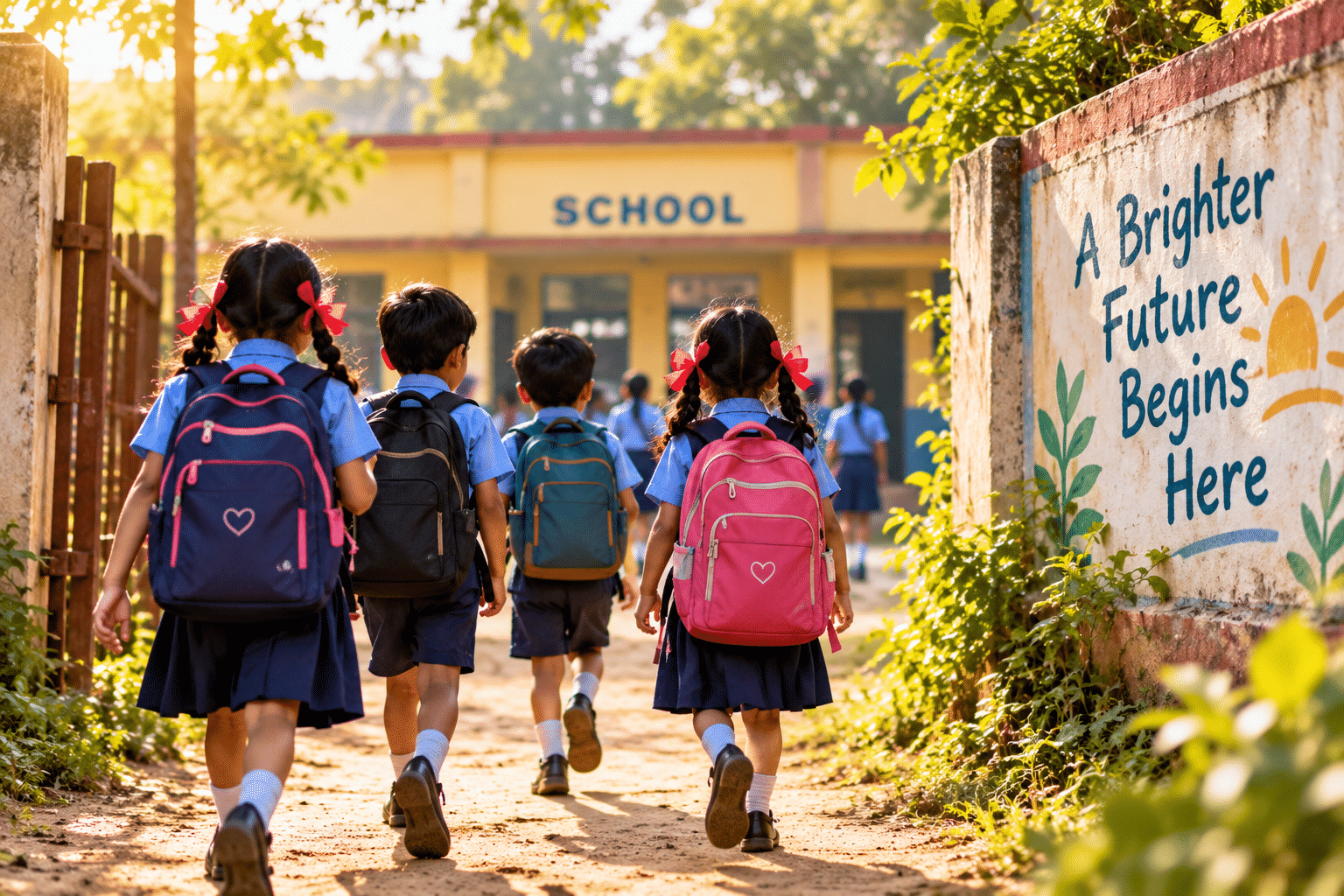
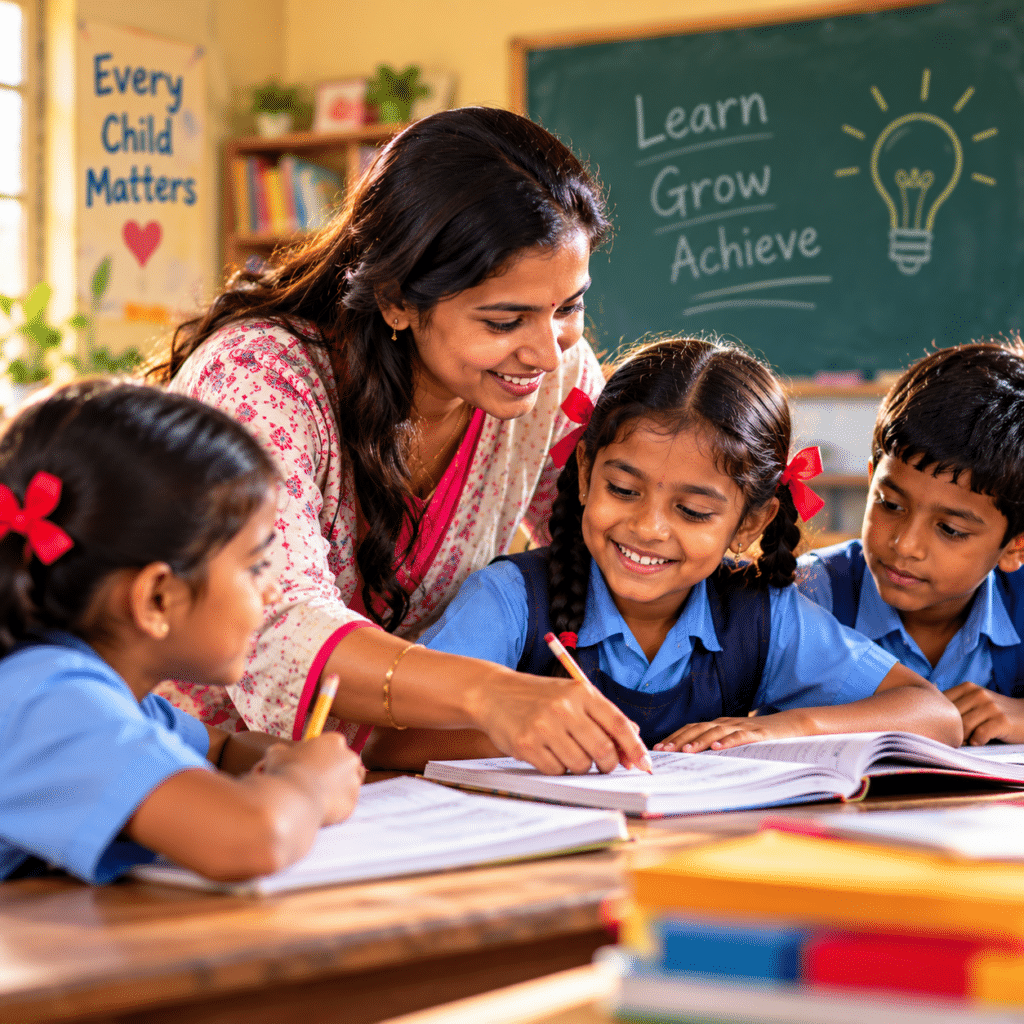
Staying in school gives children the opportunity to build knowledge gradually, strengthen their skills, and explore their interests. Consistent learning can help transform initial educational access into meaningful personal development.
As children develop new skills and overcome learning challenges, they can become more confident in their abilities. This confidence encourages them to ask questions, express ideas, make decisions, and take greater responsibility for their learning.
Education extends beyond academic subjects. Through classroom activities, teamwork, and problem-solving, children can develop communication, critical thinking, creativity, and collaboration skills that support them throughout life.
Continued education can help children prepare for further studies, vocational training, and future employment opportunities. It gives them more ways to explore their interests and make informed decisions about their futures.
When children gain access to education and opportunities for development, the benefits can extend beyond the individual. Education can strengthen families, contribute to community development, and help create opportunities for future generations.
Every child’s journey is different. Achievement may take different forms depending on their circumstances, interests, and goals. What matters is ensuring that children have the support and opportunities needed to keep progressing.
The goal is not simply to provide resources once, but to help create conditions in which children can continue learning, growing, and pursuing their goals.
Creating lasting educational opportunities is a shared responsibility. Families, educators, nonprofit organizations, volunteers, donors, and communities can all contribute to helping children remain in school and reach their potential.
Families and caregivers can encourage regular attendance, create supportive study routines, and communicate with teachers about challenges their children experience.
Teachers and educators can identify learning difficulties, provide constructive feedback, encourage participation, and create inclusive classrooms where every child has the opportunity to progress.
Volunteers and community members can support tutoring initiatives, help distribute educational materials, mentor students, and raise awareness about barriers to continued education.
Donors and supporters can contribute resources that help address practical educational needs. Support for school supplies, learning programs, and child-focused initiatives can help organizations reach children who need additional assistance.
Nonprofit organizations can work with communities to identify needs, connect children with relevant resources, and promote initiatives that support access to education and continued learning.
When these efforts work together, educational support becomes more consistent and responsive to children’s needs.
At Diya4Kids, our commitment is rooted in the belief that every child deserves opportunities to learn, develop, and work toward a brighter future.
Supporting children’s educational journeys means recognizing that access to school is only one part of the picture. Children also need resources, encouragement, supportive environments, and opportunities to continue growing.
By promoting education, supporting children’s development, and encouraging community involvement, Diya4Kids aims to contribute to a future where children have greater opportunities to realize their potential.
Lasting progress begins when we recognize children’s needs and take meaningful steps to address them. Whether through awareness, volunteering, sharing resources, or supporting educational initiatives, every positive contribution can help move this mission forward.
From the first day of school to the achievement of a personal goal, every stage of a child’s educational journey matters.
Helping children stay in school requires us to look beyond enrollment and consider the practical, emotional, and educational support they need to continue learning. By addressing barriers, encouraging progress, and working together as communities, we can help create environments where children have the opportunity to thrive.
A notebook, a supportive teacher, a safe learning space, or a few words of encouragement may seem like small things. Yet, when combined with consistent support, these actions can help children take important steps toward their goals.
Because every child deserves not only access to education, but also the opportunity to learn, grow, and achieve.
At Diya4Kids, we believe brighter futures begin with meaningful opportunities, one child at a time.
Diya4Kids | Brighten up lives, one life at a time.